
Comorbidities & Hearing Loss

How Your Health Impacts Your Hearing
Hearing plays an important role in how we experience and interpret our surroundings. For most people, it supports daily communication, activities, and independence. Because of this, hearing loss can negatively impact overall health and well‑being.
Hearing loss becomes more common with age. Around 0.5% of adults ages 20–29 have hearing loss, increasing to about 6.5% among adults ages 40–49. The rate nearly doubles with each decade up to age 79. By age 80 and older, approximately 81.5% of adults experience hearing loss (Goman & Lin, 2016).
Many people do not notice their hearing changing over time because hearing loss tends to progress slowly rather than suddenly. While most forms of hearing loss cannot be cured, audiologists can provide treatments and tools to significantly improve hearing ability and quality of life.
Comorbidity refers to having two or more diseases or health conditions at the same time. As we age, the likelihood of experiencing comorbid conditions increases.
Chronic conditions are long-term health issues that typically last more than three months. Among older adults in the United States, hearing loss is the third most common chronic condition. Common chronic conditions that are often comorbid, or often occur together, include diabetes, heart disease, and hearing loss.
Understanding your health conditions is important because some may be risk factors for hearing loss, meaning they could contribute to developing your hearing loss or making it worse. Other conditions may arise as consequences as a result of hearing loss, meaning hearing loss could also play a role in their development or worsening. Together, these health conditions can create a chain‑like effect where one condition influences another. Therefore, recognizing and managing your health conditions early on is essential to protecting your hearing and overall well‑being.
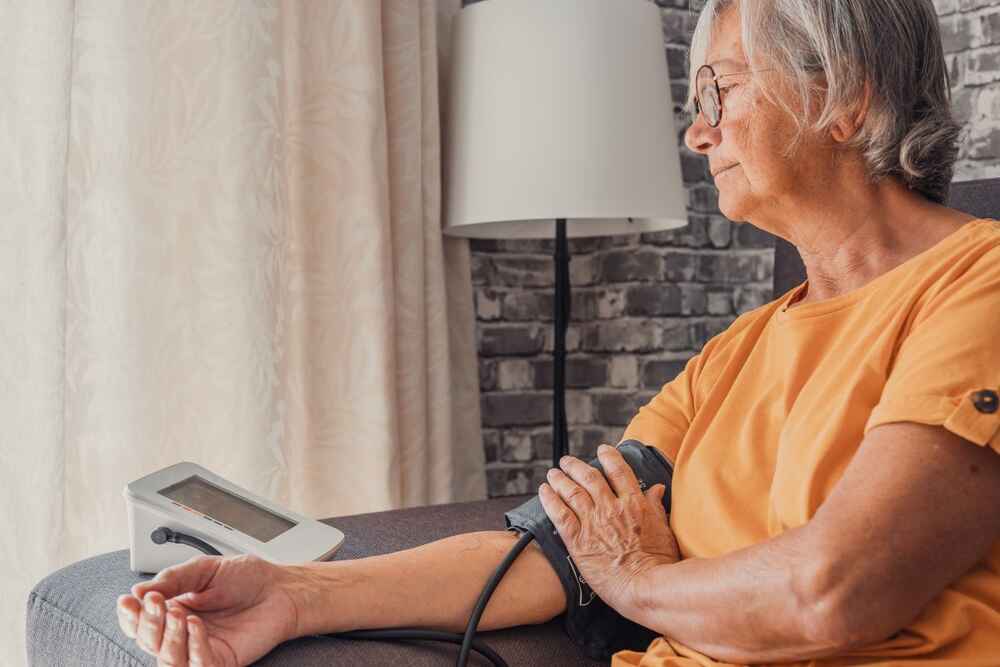
Potential Risk Factors for Hearing Loss
These comorbid conditions may raise your risk for hearing loss:
- Diabetes
- High blood pressure
- High cholesterol
- Heart/cardiovascular disease
- Sleep apnea
- Kidney disease
- Some autoimmune disorders (e.g. arthritis)
- Ototoxic medications (e.g. cisplatin for cancer)
Regular exercise, eating nutritious foods, staying hydrated, and getting enough sleep all support heart health and overall well‑being. These healthy habits may also help prevent certain types of hearing loss. However, treatments for some chronic health conditions can negatively affect hearing. For example, many cancers are treated with the chemotherapy drug cisplatin, which is known to cause hearing loss in about half of the people (50%) who receive it.

Potential Consequences of Hearing Loss
With hearing loss, you may have an increased risk for developing certain health conditions—especially if the hearing loss is untreated. When hearing loss goes unmanaged, it can make it harder to understand and communicate effectively, leading to other health conditions that can negatively impact your health.
Hearing loss is linked to health conditions such as:
- Social isolation
- Depression
- Anxiety
- Cognitive decline
- Dementia
- Falls
- Unintentional injuries
Potential Shared Causes of Hearing Loss
However, these conditions are sometimes comorbid simply because they stem from the same underlying cause:
- Chronic inflammation
- Oxidative stress
The Hidden Effects of Untreated Hearing Loss
- Communication Breakdown
- Difficulty keeping up in conversations
- Frequent misunderstandings
- Feeling left out during social interactions
- Cognitive Decline
- Research shows untreated hearing loss can double the risk of dementia and memory issues
- The brain must work harder to interpret missing sounds and words—leading to mental exhaustion
- Emotional Impact
- Increased feelings of loneliness and depression
- Pulling away from family, friends, and social activities
- Reduced confidence in everyday interactions
- Work and Income Challenges
- Trouble following meetings and group discussions
- Lower productivity and job performance
- Safety Risks
- Difficulty hearing alarms, sirens, or warning signals
- Higher risk of accidents at home and in public
Prevention & Protecting Your Hearing Health
Having a yearly checkup with your physician is very important, especially if you have chronic, comorbid health conditions. If you suspect you have hearing loss or know you have risk factors for it, schedule an appointment with us to see one of our audiologists for a hearing evaluation. While most existing hearing loss cannot be fully prevented, it can often be effectively managed and treated.
- Schedule an annual physical to monitor chronic conditions
- Get a hearing evaluation if you notice changes in your hearing
- Discuss your medications with your healthcare provider
- Follow healthy lifestyle habits that support cardiovascular and cognitive health
While many types of hearing loss cannot be prevented, early treatment can stop it from worsening and improve your long‑term health outcomes.

Schedule Your Hearing Evaluation Today
At The Centers for Advanced ENT Care - Montgomery Otolaryngology, we have a dedicated team of board-certified ENT physicians and audiologists who can diagnose your hearing loss—considering any comorbidities—and provide you a personalized treatment plan to improve your hearing and quality of life. Get started today by calling our office in Gaithersburg, MD at (301) 963-6334, or Silver Spring, MD at (301) 593-5200, or by using the convenience and ease of online scheduling.
References:
Goman, A. M., & Lin, F. R. (2016). Prevalence of Hearing Loss by Severity in the United States. American journal of public health, 106(10), 1820–1822.
To schedule an appointment:
Gaithersburg Office
(301) 963-6334
or
Silver Spring Office
(301) 593-5200

Gaithersburg Office
818 W. Diamond Ave, Ste. 120
Gaithersburg, MD 20878
Call: (301) 963-6334
Fax: (301) 869-7204
Silver Spring Office
10801 Lockwood Drive, #360
Silver Spring, MD 20901
Call: (301) 593-5200
Fax: (301) 593-7835
© Copyright 2020-2026 Montgomery Otolaryngology. All rights reserved.
Empowered with arPlatform + arTeam.