
Tinnitus: Symptoms, Causes & Treatment

What is Tinnitus?
Tinnitus—pronounced “TIN‑a‑tus” or “Tin‑EYE‑tus”—is commonly described as a “ringing in the ears,” but it can sound different than just ringing. Many people experience other sounds like buzzing, humming, beeping, clicking, chirping, crickets, hissing, pulsing, whooshing, whistling, roaring , and more in one or both ears. It can also occur all the time or some of the time, and in different tones and volumes. These are internal sounds so only you can hear them and not those around you.
At night, your tinnitus may sound worse—louder and more bothersome—because it is quieter at night and there's less background noise to blend in with the tinnitus sounds. Fatigue and stress can also heighten your awareness of tinnitus and make the symptoms feel worse. However, during the day, your attention is pulled toward activities and the sounds around you, which helps mask your tinnitus and makes it less noticeable.
Schedule an appointment with The Centers for Advanced ENT Care - Montgomery Otolaryngology if you suspect you have tinnitus or would like to complete a hearing evaluation.
How Common Is Tinnitus?
Tinnitus is extremely common. About one‑third of all adults experience it at some point in their lives (approximately 2.6 billion people affected worldwide). Roughly 10%–15% of adults develop tinnitus that is more loud, disruptive, and prolonged to require medical evaluation. While tinnitus can be frustrating, it is not a disease—it is a symptom that can signal an underlying issue. However, in many cases, the precise cause of tinnitus isn’t known.
Tinnitus is not a disease, but a symptom—similar to how fever or headaches occur alongside many illnesses. Tinnitus is associated with a wide range of underlying conditions.
Tinnitus is also more common with age. The older you get, the higher the prevalence of chronic tinnitus.
Common Causes of Tinnitus
Several medical or environmental factors may contribute to tinnitus, including:
- Hearing loss
- Loud noise exposure (e.g. yard tools,factories, loud music, firearms)
- Drugs or medicines that are toxic to hearing (ototoxic - e.g. cisplatin for cancer)
- Earwax buildup
- Head or neck injury
- Ménière’s disease
- Migraine headaches
- Anemia
- High blood pressure (hypertension)
- Certain types of tumors
Should You See an Audiologist?
Yes—especially if:
- You notice hearing changes
- Tinnitus is frequent or disruptive
- You want guidance on treatment options
Tinnitus is a symptom of some other health condition. Because tinnitus is often linked to hearing loss, a comprehensive hearing evaluation by an audiologist is essential. Your physician may also check for other medical issues contributing to your symptoms.
An audiologist (preferably certified by the American-Speech-Language-Hearing Association also known as ASHA) can evaluate your hearing, identify potential causes, and recommend appropriate next steps for treatment.
How Audiologists Evaluate Tinnitus
Although tinnitus cannot be directly measured, audiologists can use the information and details you provide based on your experiences, as well as complete specialized hearing tests that help estimate the pitch, frequency, and loudness

You may also be asked questions such as:
- Do you hear tinnitus in one ear or both?
- Is the sound constant or intermittent?
- Do you notice it more during the day, night, or another time?
- Can you describe the sound or ringing you hear? Is it a high or low pitch?
- How loud is the sound?
- Over time, does the sound change in volume or pitch?
- Does it interfere with sleep, concentration, or work?
- Is it triggered or worsens with medication, noise, or stress?
- Is it very annoying or a little annoying?
Your responses will help an audiologist understand your tinnitus and determine the best management plan.
Understanding your tinnitus can be a powerful first step in managing it. Although the exact cause is often unknown, many people feel reassured once they learn what tinnitus is—and just as importantly, what it is not. When you have a better idea of what might be contributing to your tinnitus, your stress levels often decrease, and lower stress can help reduce how bothersome the tinnitus feels. This knowledge also empowers you to take control by helping you in anticipating, preventing, and adjusting situations that could worsen your tinnitus.
Tinnitus Treatment Options
Understanding the cause of your tinnitus can help guide appropriate treatment. In some situations, tinnitus is a symptom of a medical condition that can be successfully treated. However, in many cases, the exact cause cannot be identified, and medical or surgical treatments may not be available. Even when this is true, there are still many strategies that can help you manage your tinnitus. Before exploring tinnitus‑management options, be sure to discuss any potential medical treatments with your doctor.
When no specific cause is identified, tinnitus can still be managed successfully using methods such as:
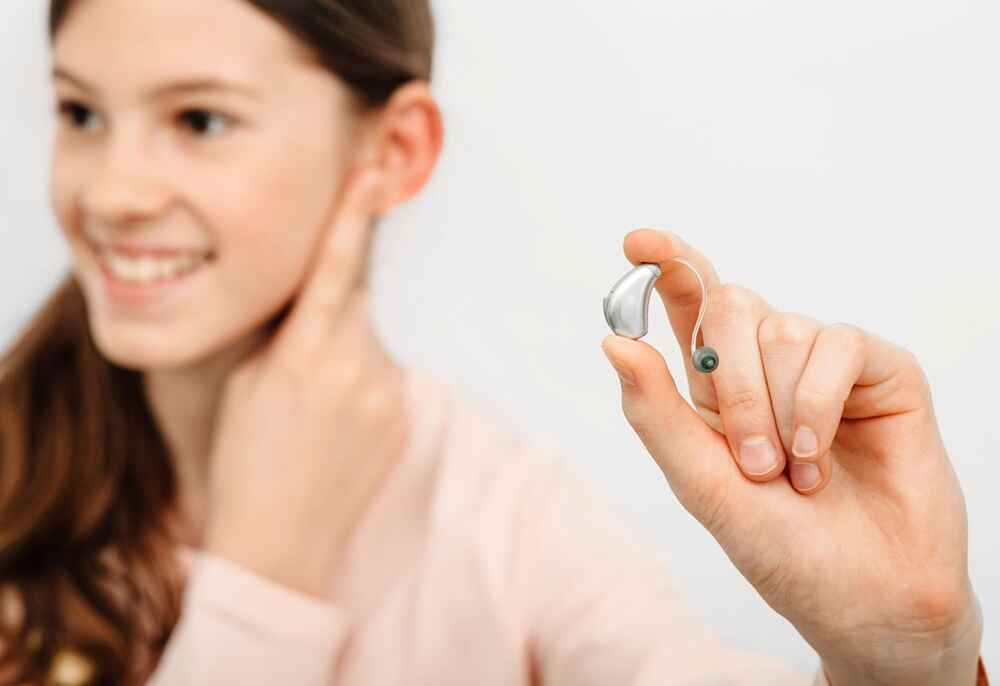
- Hearing aids
- If you have hearing loss, there’s a strong possibility that using hearing aids will help improve your hearing and reduce your tinnitus. An ASHA‑certified audiologist can guide you through selecting, fitting, and purchasing the hearing aids that best meet your needs. They will also teach you how to use your hearing aids effectively so you can get the greatest benefit from them.
- Cochlear implants
- Cochlear implants are advanced hearing devices that bypass damaged parts of the inner ear and directly stimulate the hearing nerve. They provide a sense of sound for individuals with severe to profound hearing loss who receive little benefit from traditional hearing aids.
- Tinnitus sound generators
- Tinnitus sound generators resemble hearing aids and create external sounds that help make tinnitus seem less noticeable. These sounds can provide a distraction and are often easier to tolerate than the tinnitus itself. The way you describe your tinnitus—such as its pitch, loudness, and location—helps determine which type of sound may offer the most relief. If you have both tinnitus and hearing loss, a sound generator can sometimes be combined with a hearing aid in a single device. As with all tinnitus treatments, sound generators are helpful for some people but not for everyone. A thorough evaluation by an audiologist can help determine whether a tinnitus sound generator is likely to benefit you.
- Sound machines
- Sound machines that create a steady, soothing background noise can be especially helpful at night or in quiet settings. Everyday sources of gentle sound—such as fish tanks, fans, soft music, or indoor water fountains—may also provide relief. In addition, many apps for portable media players (such as smartphones and MP3 players) offer a range of calming sounds that can help reduce the annoyance of tinnitus.
- Avoid loud and damaging noise
- Turn down the volume when listening to things (set it to less than half volume is preferred)
- Wear hearing protection (e.g. earplugs, earmuffs)
- Relaxation therapy
- Counseling and education
- Habituation therapies
- Biofeedback
- Hypnosis
- Electrical stimulation (used in select cases)
ENT physicians and audiologists often work together to tailor a treatment plan for tinnitus based on your unique needs.
Should You Join a Tinnitus Support Group?
Yes—many individuals find comfort and empowerment in sharing experiences with others. Support groups provide:
- Encouragement
- Management strategies
- Reassurance that tinnitus is manageable
Resources and support networks are also available through the American Tinnitus Association.
Contact an Audiologist for Tinnitus Support
If tinnitus is affecting your quality of life, our team can help you understand your symptoms and explore effective treatment options.
At The Centers for Advanced ENT Care - Montgomery Otolaryngology, we have a dedicated team of board-certified ENT physicians and audiologists who work in collaboration to diagnose, treat, and manage your tinnitus. Get started today by calling our office in Gaithersburg, MD at (301) 963-6334, or Silver Spring, MD at (301) 593-5200, or by using the convenience and ease of online scheduling.
To schedule an appointment:
Gaithersburg Office
(301) 963-6334
or
Silver Spring Office
(301) 593-5200

Gaithersburg Office
818 W. Diamond Ave, Ste. 120
Gaithersburg, MD 20878
Call: (301) 963-6334
Fax: (301) 869-7204
Silver Spring Office
10801 Lockwood Drive, #360
Silver Spring, MD 20901
Call: (301) 593-5200
Fax: (301) 593-7835
© Copyright 2020-2026 Montgomery Otolaryngology. All rights reserved.
Empowered with arPlatform + arTeam.